StationXThe Masters Program
Contact us →
For employers · L&D · finance

Turn one employee into an AI-driven security engineer.

A one-year programme in which your employee learns to direct AI across every discipline needed to design, build and ship working security solutions: work that used to need a whole team.

Listen · read by HALThe business case in 1 minute
1:04
OutcomeAI-driven engineering skills your security team needs
Time3+ focused hours a week, alongside a full-time role
LengthAn intensive year, with no clock: support continues until the capability is proven
Investment$8,500, or 3 × $3,000
What your organisation gets

Capability, not a certificate of attendance.

What you'll learn

The AI-Driven Engineering curriculum.

This is the AI-Driven Engineering part of the programme, and it keeps growing: new sessions are added every week as the field changes. Hover over (or tap) any session to see what's in it.

Listen · read by HALWhat you'll learn
1:32
Live workshopsTaught live, recorded, and added to every week
WorkbooksA written companion for every session, to work through at your own pace
AudioEvery workbook read aloud by HAL, so you can listen on the move
GitHub reposThe HAL Vault: ready-made code to build your own AI agents
1 · The HarnessDriving Claude Code
1 Foundations
  • What AI-driven engineering is and why code was never the hard part
  • The proof
  • From three shipped products to over 500 job adverts paying for it
  • The four tiers of building around an AI
  • The six-step method and the one rule underneath
  • The danger and the
2 The Basics
  • Install Claude Code
  • Learn permissions
  • The tool cycle
  • CLAUDE.md
  • Git
  • Context memory
  • Models
  • Sessions
3 Beyond the Basics
  • MCPs
  • Plan mode
  • The development protocol
  • Models
  • Permissions
  • Output style
  • Thinking mode
  • Auto-compact
  • Rewind
4 Commands & Skills
  • What commands and skills are
  • How they differ
  • Where they live
  • When to reach for which
  • An open brainstorm of what to automate first
5 MCP
  • What MCP is
  • Where servers live
  • The three transports
  • Built-in connectors
  • Installing from the CLI
  • Secrets
  • Security
  • Lazy loading
  • The integration ladder from MCP to script to API
6 Five Builds
  • The five hands-on builds you need from Sessions 2 to 5
  • Worked through together on a live call. Use this page as your reference at your own pace: install Claude Code
  • Connect an MCP
  • Write your first command and skill
7 Tiers & Hooks
  • The four tiers of AI-driven engineering
  • From raw harness to shared infrastructure
  • Hooks: the deterministic guardrail that turns a stochastic agent into something you can trust
8 Agents
  • Agent definitions
  • Sub-agents
  • Team agents
  • The collision problem and worktrees
  • Agent View
  • Dynamic workflows and ultracode
  • Plugins and the marketplace
  • The security discussion
  • Can the model itself be broken
2 · Build ItYour AI assistant & infrastructure
9 Assistant Prep
  • The Fable models' security gating and what it means for security people
  • AI-driven engineering vs the AI security career roles
  • The move to Tier 2
  • The assistant prerequisites checklist
  • Which MCPs are worth it
  • A live HAL demo
10 Assistant Anatomy
  • What an AI assistant actually is
  • The seven parts it's made of (structure
  • Identity
  • Memory
  • Skills
  • Work
  • Interface
  • Governance)
  • The order to build them in
11 Installing Your Assistant
  • Getting the HAL skeleton installed and running
  • Every real install gotcha from the live session
  • Why the struggle is the point
  • Structure: the first of the seven parts
12 Identity, Memory, Skills
  • The four parts that make an assistant yours
  • How to choose your models and keep your data private
13 Pentest & Bug Bounty
  • What becoming AI-driven actually does to a real job
  • Encoding your expertise into agents that hunt bugs and drive pen-testing tools
  • Shown live
14 Work & Interface
  • How the job actually gets done
  • Agents
  • Loops and headless runs
  • How you reach the thing you've built. Plus a bug bounty update and what changed in the job market
15 Governance
  • The three questions to ask about any agent you run
  • The four jobs of a control
  • Five fixes you can put in place tonight
  • Starting with a deny list that takes five minutes
3 · One tool, end to endArchitect, build, prove, ship
16 Architect It First
  • One small problem
  • Is this domain
  • URL or file malicious?
  • Architected out loud: research the providers
  • Choose by criteria
  • Screen the risk
  • Pick the stack
  • Meet the five documents that make building repeatable
17 API Client
  • The VirusTotal client gets built live
  • One plain-English prompt
  • The standards do the steering. What the agent did unprompted
  • What the watchlist caught
  • The review that ran
  • The review that didn't
  • The layers of checking above it all
18 Proving Your Code
  • Six layers of checking on the VirusTotal client
  • Cheapest first: linters and types
  • Tests and mutation
  • The three scans
  • Specialist reviewers
  • End-to-end against the real API
  • Exploratory personas
  • The one document that runs most of them
19 Delivery Pipeline
  • The pipeline for code an agent wrote: the six empty seats
  • CD and DevSecOps in plain words
  • The delivery protocol from the vault
  • Gates and where they stand
  • Staging and rollback
  • Git and GitHub properly: commit
  • Push
  • Pull
  • Pull request
20 Branches, Hooks, CI
  • Main
  • Branch
  • Origin and worktree built up one picture at a time
  • The pull request
  • The live repo map
  • Seven rules for every day
  • Two agents on the same code
  • Lefthook on your machine
  • CI on a clean one
21 Safe Deploys
  • Dependabot and Trivy watching what you depend on
  • Why an update is only as safe as your tests
  • Dev
  • Staging and production
  • The deploy and the way back
  • The commit-count check
  • What to test at each station
  • The words you say
22 Assistants & Mods
  • The new personal assistants from the big labs
  • The HAL dashboard in demo mode
  • What a mod is
  • Where it shows up
  • What a settings hook can really do
  • Choosing the lightest tool
  • Building a force-push guard without writing code
  • Four questions to ask Hal
4 · The AI-Driven Engineering Lifecycle (AIDEL)A step-by-step way to build with AI you can trust
1 Screen
  • What am I responsible for
  • How risky is this?
2 Frame
  • Is this the right problem
  • Is it worth solving?
3 Spike
  • Is there one real unknown worth testing cheaply first?
4 Build
  • Build it
  • With the right amount of rigour for the risk
5 Verify
  • Does it give the right answers? Where's the evidence?
6 Gate
  • Is it allowed to be released?
5 · Technical & security architecture domainsEvery area you direct AI across to design and secure a complete system
Architecture Practice
  • Thinking Like an Architect
  • Recording & Communicating Decisions
  • Frameworks & Reference Models
  • Technology Selection
  • Directing the AI Executor
Languages & Code
  • What Code Actually Is
  • Languages for Web Pages
  • Languages for Servers & Scripts
  • Languages for Operating Systems & Infrastructure
  • Languages for Mobile Apps
  • Languages for Enterprise Backends
  • Languages for Data & Databases
  • Choosing a Language & Stack
  • Frameworks & Libraries
Application Architecture
  • Client & Server
  • Internal Structure
  • System Topology
  • Frontend Delivery
  • Platform Targets
Data & Databases
  • Database Kinds
  • Modelling & Querying
  • Analytics & Movement
  • Custodianship
APIs & Integration
  • What an API Is
  • API Specs
  • The Contract in Writing
  • API Styles
  • Events
  • Webhooks & Queues
  • Third-Party Services
  • Living With APIs
Infrastructure & Cloud
  • Where Software Runs
  • The Cloud & Its Providers
  • Managed & AI-Builder Platforms
  • Containers & Serverless
  • The OS Underneath
  • Infrastructure as Code
Networking & the Web
  • Internet Fundamentals
  • Names & Addresses
  • HTTP & HTTPS
  • Traffic Management
  • Private Networks
Delivery & Deployment
  • Version Control
  • Build & Test
  • Environments & Config
  • CI/CD & Releases
  • Why Deploys Break
Reliability, Performance & Operations
  • Scaling
  • Performance & Caching
  • Resilience
  • Observability
  • Operations Forever
Cost & Economics
  • What You're Actually Paying For
  • Free Tiers & Their Cliffs
  • Costs That Scale With Success
  • Cost Controls
AI Architecture
  • Models & Providers
  • Talking to Models
  • Retrieval & Knowledge
  • Agents & Orchestration
  • AI in Production
Security Principles & Threat Modelling
  • Core Principles
  • Know Your Attacker
  • Threat Modelling
  • Risk & Compliance for Builders
Identity & Access
  • Authentication
  • Sessions & Tokens
  • Federation & SSO
  • Authorization
  • Machine Identity & Secrets
Application & Supply Chain Security
  • Named Attacks
  • The Untrusted Client
  • Defensive Coding
  • Security Testing
  • Supply Chain
Data Security & Privacy
  • Cryptography Essentials
  • Protecting Data in Each State
  • Secrets Hygiene
  • Privacy Duties
  • Breaches & Custodianship
Security Operations & Resilience
  • Defending the Perimeter
  • Hardening & Cloud Posture
  • Vulnerability Management
  • Detection & Monitoring
  • Incident Response & Recovery
AI Security & Governance
  • Attacks on AI Features
  • Agent Guardrails
  • AI Data Risks
  • AI-Built Code & Supply Chain
  • AI Governance & Rules
View the interactive domains map Members
Around the curriculum

It's one part of the programme.

Your personal roadmapBuilt around your goal when you join, so you know what to do next
Thousands of courses1,000+ StationX courses for life, plus 30,000+ in the Nexus library, labs and cyber range during your intensive year
Your Success ManagerKeeps you on track from day one
Weekly mastermind groupA small group of peers who meet every week
The Inner CircleA network of security professionals, for life
24/7 expert supportA support room whenever you're stuck
Real work experienceSupervised project work you can point to
Career supportCV, LinkedIn and resume help, done for you
The end game

An AI system that runs a department, or a whole business.

This is what you build towards. Nathan runs 80% of StationX on HAL, an AI operating system he directs on his own: it handles operations, security, development, content, finance and research. Members are building their own versions now, starting with an AI assistant and growing it into infrastructure that can run a team's work, or a company's.

Listen · read by HALYour own AI operating system
0:30
See where AI operating systems are heading →
A founder planning a business
Why now

Every business is shifting to AI.

One person directing AI can now deliver what used to need a whole company. Whether you want a senior role or a business of your own, AI-driven engineering is the skill the shift demands.
Listen · read by HALWhy every business is shifting to AI
0:25
Read: AI-Driven Businesses →
Built in the programme

What participants are already shipping.

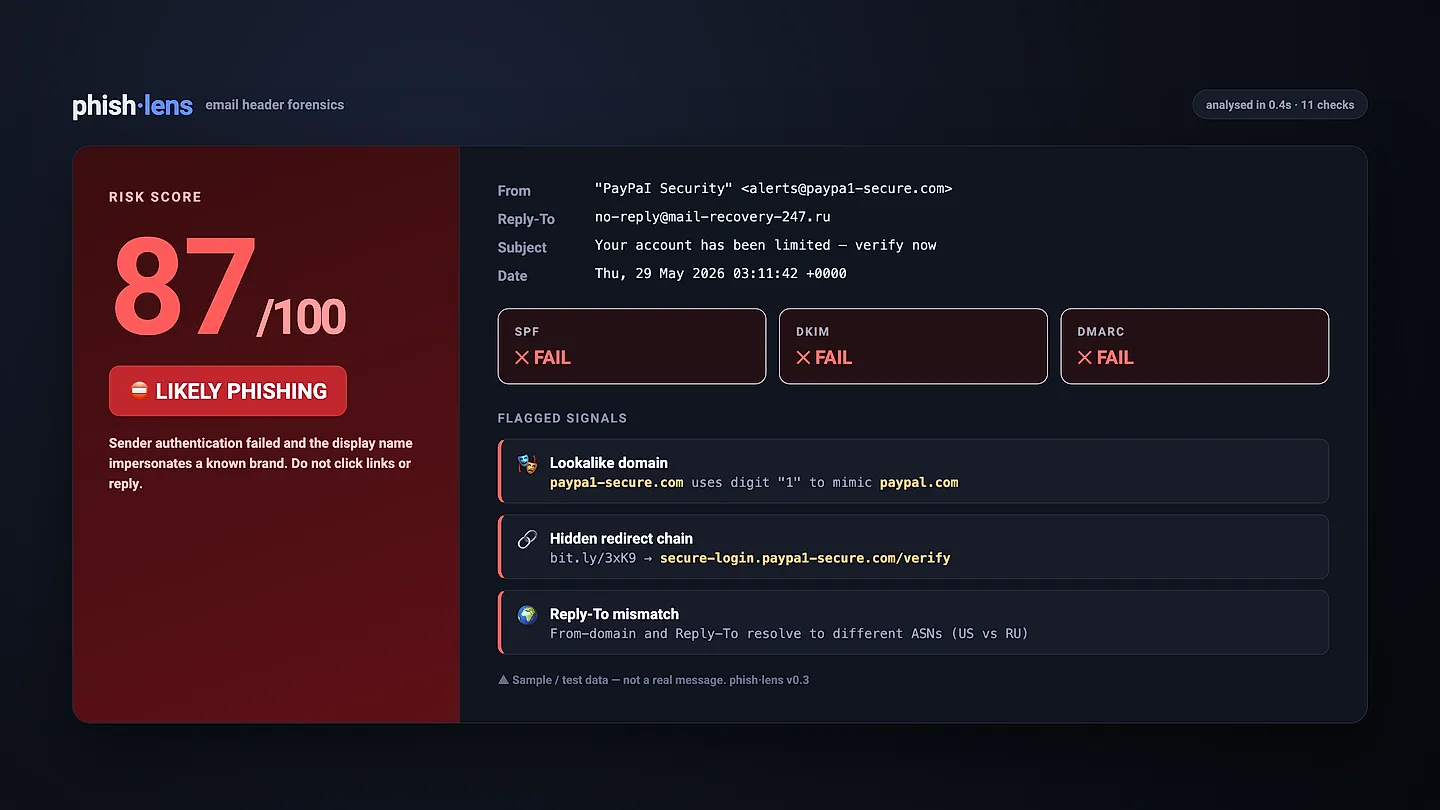
Phishing Analyser sample output
phish-lens

Phishing Analyser

Takes a raw email and scores it 0–100 for phishing risk, with the evidence laid out.

Built by Craig · current cohort
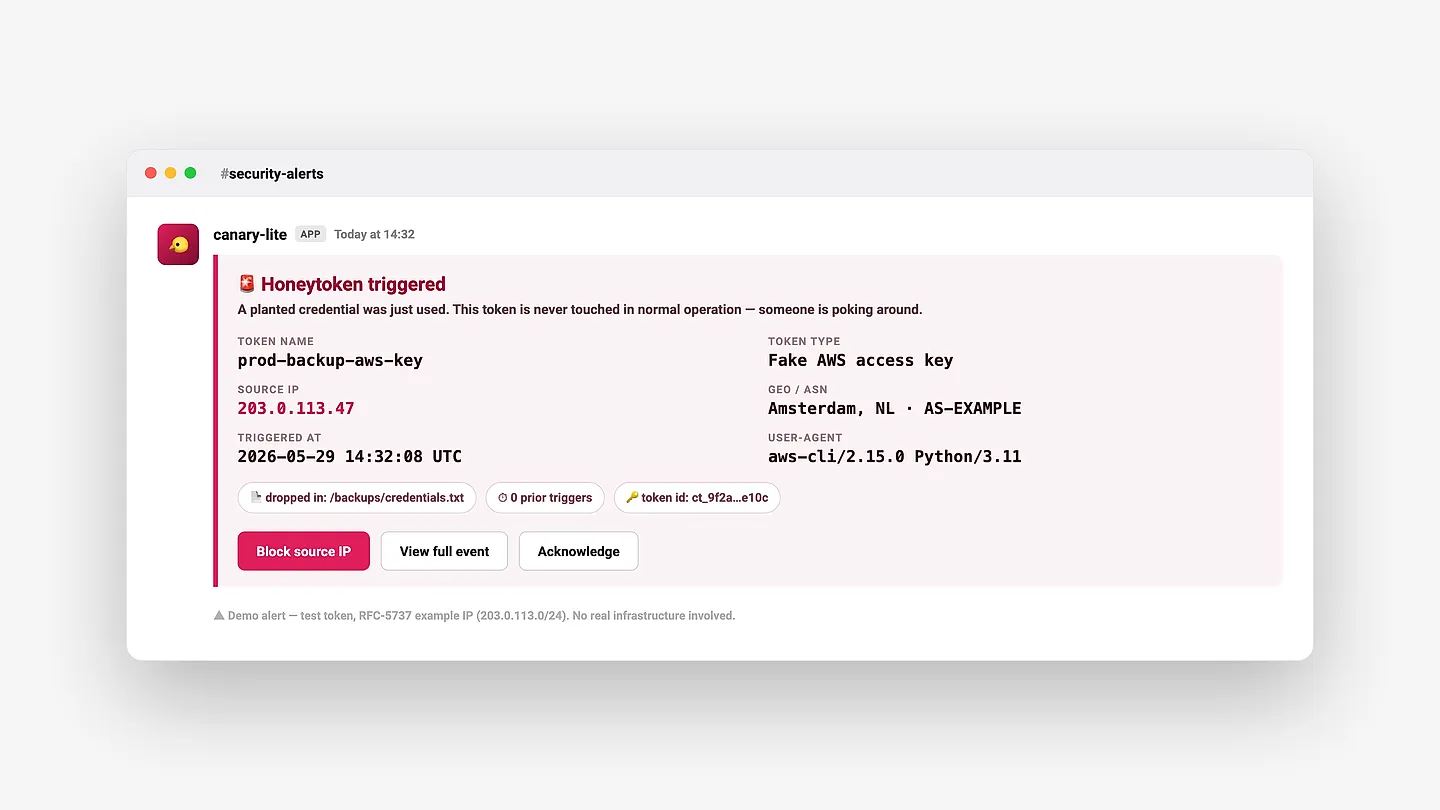
Honeytoken Tripwire sample output
canary-lite

Honeytoken Tripwire

Plants fake credentials and alerts the instant an intruder touches one.

Built by Stuart · current cohort
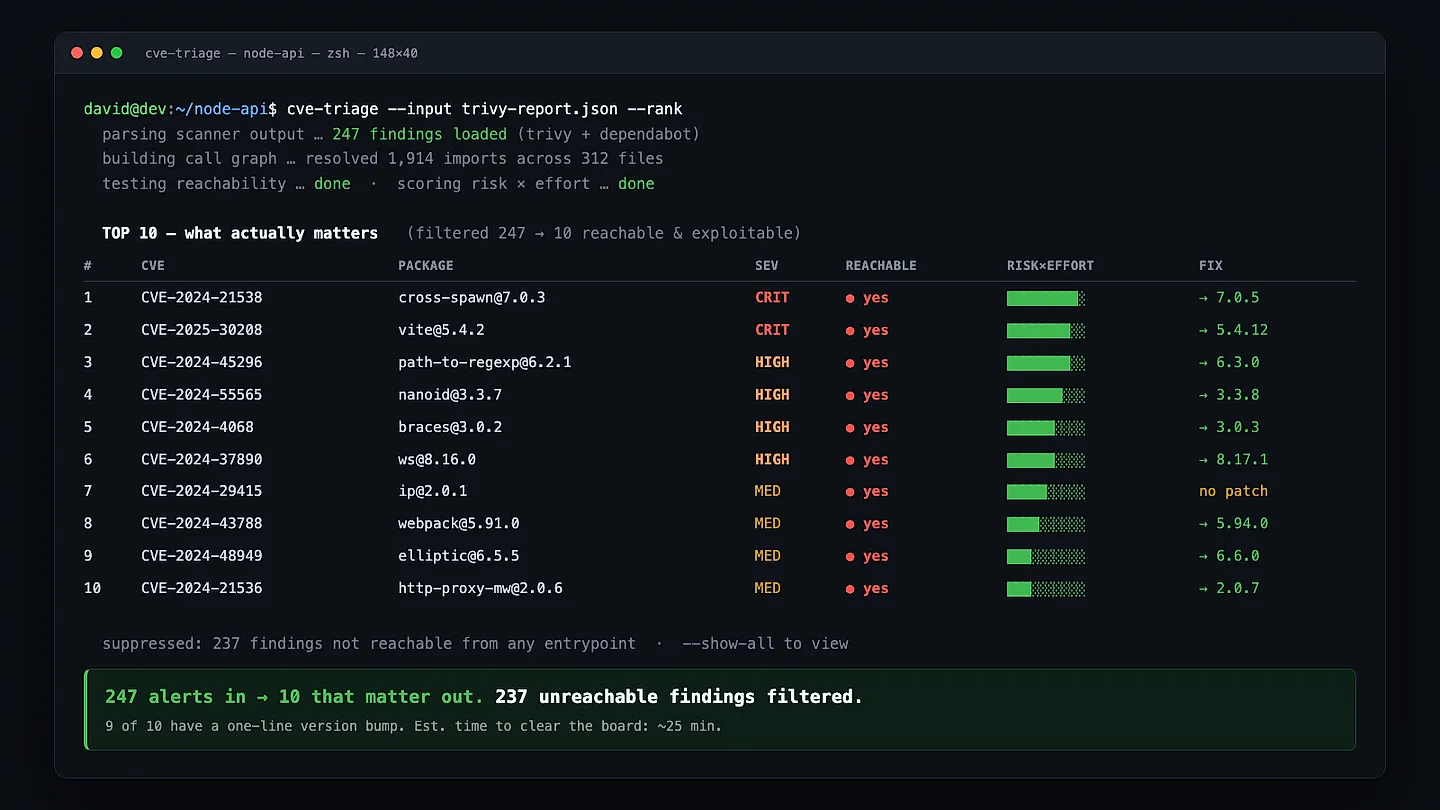
Vulnerability Triage sample output
cve-triage

Vulnerability Triage

Turns hundreds of vulnerability alerts into the top ten that actually matter.

Built by David · current cohort
Prompt-Injection Firewall sample output
llmwarden

Prompt-Injection Firewall

A Python library that catches prompt injection and jailbreak attempts before they reach an AI app.

Built by Steven · current cohort · public benchmarks on GitHub →
How it compares

Less than one SANS course.

OptionTypical costAccessOutcome
AI-Driven Cybersecurity Master's$8,500 onceResources for life; support until the capability is provenA built, working solution plus the SX-AIE certification
A single SANS course~$9,800 per courseEnds with the courseSpecific technical skills
A university Master's degree$35,000+Fixed termTheory and a degree

Typical 2026 market prices; programmes vary.

Practicalities

For your finance team.

Nathan House
Who leads it

Nathan House: CEO and founder of StationX, 30+ years in cyber security

Listen · read by HALWho leads it
0:37
  • Founded StationX in 1999, one of the UK's first cyber security companies
  • Secured £71 billion in UK mobile banking transactions, and the London 2012 Olympics
  • Advised Microsoft, Cisco, BP, Vodafone, VISA, GSK, NatWest and BT
  • Author of the world's most popular cyber security course for decades: more than half a million students worldwide
  • UK Top 25 Cyber Security Influencer 2025 · AI Security Educator of the Year · DEF CON speaker
  • Featured on CNN, Fox News, NBC, BBC and NDTV · Cambridge-educated · CISSP, CISA, CISM, OSCP, CEH, SABSA
  • Builds what he teaches: HAL, the AI infrastructure now running 80% of StationX, and JobZone Risk, built solo in two weeks
Nathan on LinkedIn →
Why trust StationX

Nathan House has advised

Microsoft
Cisco
VISA
Vodafone
BT
GSK
BP

As featured on

CNNFOX NEWSNBCBBCNDTV
London 2012 Olympics security£71bn of UK mobile banking securedDEF CON speakerUK Top 25 Cyber Security Influencer 2025AI Security Educator of the YearHalf a million students
